


“The mental load gets lighter when you take action early.”
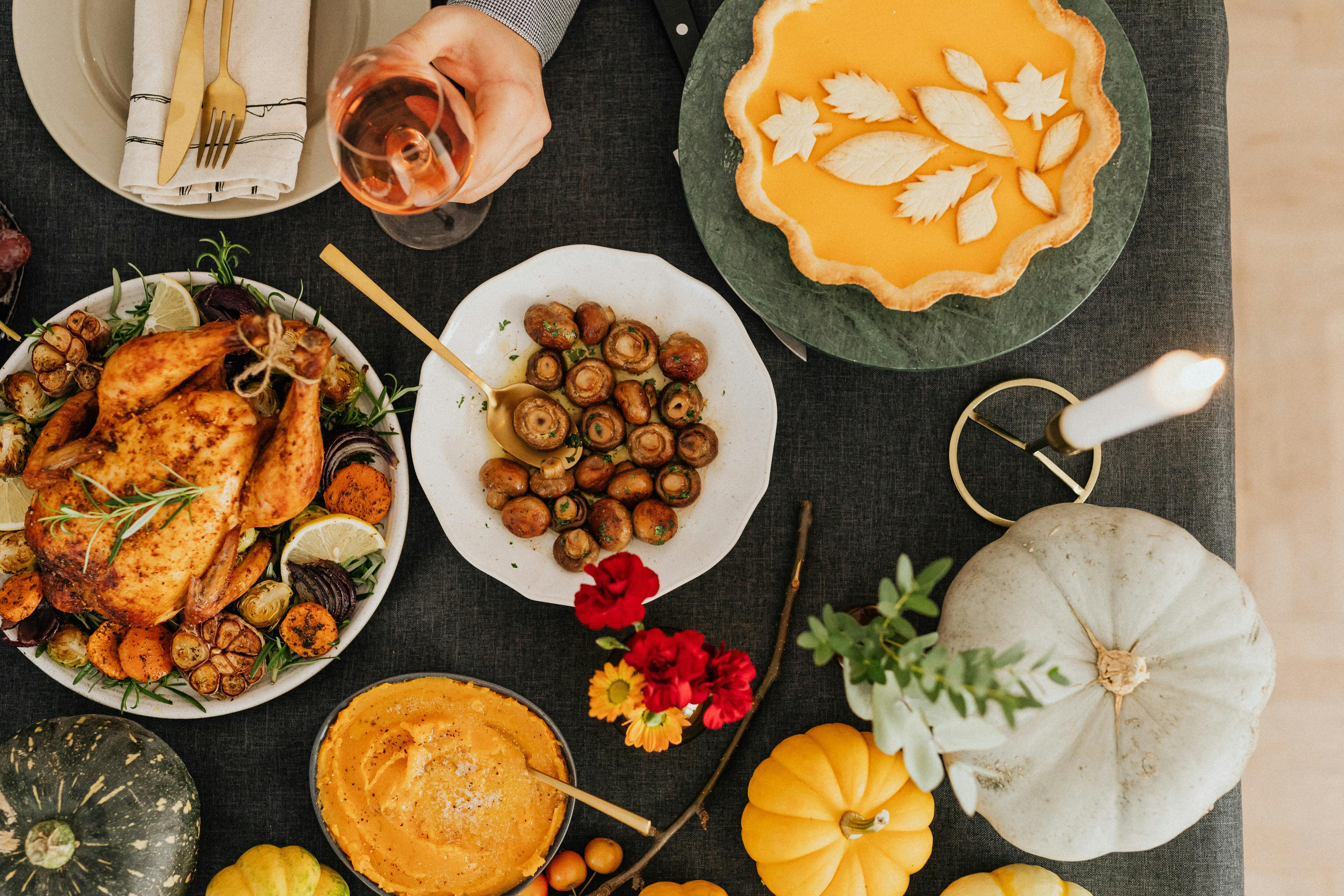
Yes, You Can Have a Stress-Free Holiday With Multiple Allergies
The holidays are supposed to be fun, but let’s be honest, if your kids have allergies, they come with a side of severe anxiety. You’re constantly asking yourself: Will they sneak a buttery cookie? Will someone kiss them after eating peanuts? Will your well-meaning aunt accidentally contaminate the one safe dish?
I get it. This is my reality too, and I’ve learned that the stress doesn’t have to run the show. With a solid plan and clear communication, you can create an allergy-safe holiday season where your kids feel included instead of left out.
“Stop playing detective at every dish. Here’s my complete holiday allergen safety plan so your kids feel safe, fed, and included.”
The Mental Load is Real
Holiday time hits differently when you’re managing allergies. You’re not just planning a meal; you’re managing everyone’s good intentions, hidden ingredients, and cross-contamination risks. My family has allergies to peas, pineapple, fish, dairy, tomatoes, nuts, wheat, sesame, and soy. So yes, it’s a lot.
But here’s what I’ve learned: the mental load gets lighter when you take action early. You don’t have to figure this out alone, and you don’t have to be the “difficult” parent. You just need a strategy.
Common Holiday Allergen Culprits
The sneaky part about holiday allergies? The dangers often hide in plain sight. You’ll catch some of them easily, but the hidden allergens are what cause those “OMG, how did this happen?” moments.
Watch Out For:
Nuts: Stuffing, pecan pie, chocolate candies, mixed appetizers (hidden in sauces)
Dairy: Casseroles, mashed potatoes, gravy, buttered everything (including turkey)
Shellfish: Seafood appetizers, gravy thickeners, sauces
Wheat: Stuffing, gravies (flour-based), desserts
Cross-contamination: Shared utensils, cutting boards, hands that just touched allergens
The “just a little” myth: One person’s harmless taste-test is your kid’s allergic reaction
The scariest part? Relatives who mean well but assume “it’s fine because it’s just a little” or don’t realize butter is in everything.
Practical Safety Strategies (That Actually Work)
Here’s what I’ve implemented to keep my anxiety in check and my kids safe:
Before the Holidays:
Request extra epinephrine auto-injectors from the pharmacy
Stock up on allergy medicine like Claritin and medicine dosers so anyone can accurately administer it
Have hydrocortisone and topical steroids on hand for eczema flare-ups (allergies often trigger them)
Get allergen labels to mark dishes clearly (I bring them and extras, so no one has to scramble)
During Gatherings:
Bring a crowd-pleasing dish you know your kids will love, and everyone else will actually eat
Designate serving utensils to reduce cross-contamination
Create a separate zone for high-allergen foods (keep nuts away from your kids’ reach)
Keep your epinephrine auto-injector visible and accessible in a designated spot (like the bathroom)
Pro tip: The earlier you communicate, the better. This isn’t about being difficult—it’s about being prepared.
The Thanksgiving Communique: Your Template

Getting the whole family on the same page makes everything easier. Here’s a message I send to family and friends before major gatherings:
-
Dear Family and Friends,
I’m so excited to celebrate the holidays with you and create wonderful memories together. I wanted to give you a heads up so we can all enjoy the day stress-free.
My children (and my husband) have multiple allergies, and since our gathering centers around food, I wanted everyone to know what we’re working with. I’ll be bringing labels so we can clearly mark dishes and their allergens—no need for you to stress about that part.
If you’re able to make small ingredient adjustments (such as using oil instead of butter or keeping nuts separate), that would be amazing. I also totally understand if some dishes just need butter; I’m not here to ruin Thanksgiving. 😊
What would help most:
Designate serving utensils for each dish to prevent cross-contamination
Keep a separate area for high-allergen foods
Let me know the ingredients ahead of time, if possible
Our household allergies: peas, pineapple, fish, dairy (milk, cream, butter, yogurt), tomatoes, nuts, wheat, sesame, soy
Thank you for your support and understanding. We can’t wait to celebrate with you!
-
This approach sets expectations without making anyone feel attacked. Most people want to help; they just need clear guidance.
Emergency Preparedness: Your Safety Checklist
Planning ahead is the difference between a manageable holiday and a stressful one. Before you travel or host, make sure you have these items documented and accessible:
Know Your Resources:
Location of the nearest 24/7 emergency care center
Address and phone number of pediatric urgent care
Directions to the nearest hospital
Have It Written Down:
Exact location where you’ve stored epinephrine auto-injectors (and instructions for how to use them)
Your child’s top allergens that require emergency care
What to do if exposure happens (call 911, use epinephrine, monitor symptoms)
Your pediatrician’s emergency contact number
Your child’s complete medical history (allergies, medications, medical conditions)
Share the Plan:
Leave a copy with the person hosting you
Give copies to anyone supervising your kids
Post it somewhere visible (not hidden in a drawer)
The more people who know the plan, the safer your kids are.
Fave Product of the Week
These allergen labels and mini food signs are honestly a game-changer. Instead of playing detective at every dish (”Wait, is that butter or oil?”), you have instant clarity on what’s safe and what’s not. Labels = peace of mind.
What I love most? I’m bringing them, so my family doesn’t have to scramble or feel like they’re accommodating a burden. You show up prepared, confident, and ready. That simple gesture, a clearly labeled dish, tells your relatives, “I’ve got this handled, and I’m making it easy for you too.”
It sounds small, but it’s huge. One label eliminates confusion, reduces cross-contamination risks, and lets your kids see exactly what they can eat. Plus, it takes the pressure off well-meaning family members who genuinely want to help but don’t always know how.
Pro tip: Grab each pack before the holidays. Seriously, these are worth their weight in gold.
You’ve Got This
Here’s the truth: allergies don’t have to steal your holiday joy. They require vigilance and planning, but they don’t have to define your season. With clear communication, practical preparation, and a solid plan, you can create an environment where your kids feel safe, included, and celebrated.
You’re not alone in this. So many parents are navigating the same worries, the same questions, the same anxiety. But you’re doing the work to keep your kids safe, and that’s what matters.
Share this with a friend who’s navigating holiday allergies. Let them know they’re not crazy for worrying, and they’re not alone. Together, we make parenting with allergies feel a little less lonely.
Save this guide for next year. Save it, screenshot it, or send it to yourself. You’ll thank yourself when November rolls around again.
Until next time, your friend,
Ashley
Thanks for being here! If you found this helpful:
Heart and/or share the love with other parents
Buy me a coffee & support my coffee dependency (the real MVP of newsletter writing!)
Consider upgrading to paid, which helps me continue sharing my real mom experiences and stay fueled with more coffee.
Note: Some links in this newsletter may be affiliate links. This means I might earn a small commission if you make a purchase (at no extra cost to you). Thank you very much for your support of my work.
— Follow me for more ideas and videos on Instagram


I love this! Including the children in the plan makes such a difference too. You’d be surprised how helpful siblings — and even the child with the allergen — can be in setting boundaries when they understand the plan by keeping their involvement age-appropriate and clear.